Sleep and Mental Health: Why Better Sleep Means a Better Mind
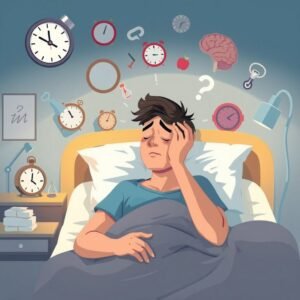
Have you noticed that after a bad night’s sleep, everything feels harder? Small problems feel huge and your mood drops. That is not a coincidence. Sleep and mental health are deeply connected. Poor sleep can increase stress, sadness and anxiety, and those feelings in turn make it harder to sleep.
How Sleep Affects Your Mind
During sleep, your brain processes emotions, stores memories and recovers from the day. Without enough rest, you may notice:
- Mood swings and irritability
- Poor concentration and memory
- More negative thinking and overthinking
- Low energy and motivation
8 Habits for Better Sleep
- Sleep and wake up at the same time daily
- Avoid screens for 30 to 60 minutes before bed
- Keep your room dark, cool and quiet
- Avoid tea, coffee and heavy meals late at night
- Do light stretching or breathing before bed
- Write down tomorrow’s worries in a notebook so your mind can rest
- Get sunlight in the morning
- Do not lie in bed scrolling. Use the bed only for sleep
When to Seek Help
If you struggle to sleep for more than a few weeks, or your sleep problem comes with low mood or constant worry, please speak to a doctor or mental health professional.
At Mind Care, we help you understand the thoughts that keep you awake. Contact us for support.
Disclaimer: For general awareness only and not medical advice.